

This week, I found myself staring at a content strategy map, not as a consumer but as an investor would — counting posts, categorizing themes, mapping volume to intent. It’s a habit that comes with sitting at the intersection of investment and strategy. Following the trends gives insight into the realities relevant to more than just the core topic on hand. Frequency is never just a number- it’s a signal.
Immediately I wanted to know what Spotify wanted its inventors to know. Looking at Spotify’s cross-platform content strategy alongside its 2025 Q4 prepared remarks, one thing became crystal clear: this is a company that has broadened the definition of the business they’re in. Not just streaming. Not just music. But the intersection of consumers and creators – powered by technology, scaled globally, and increasingly shaped by AI. Management anchored the narrative not just in raw growth but in accelerating technology and creator tools, framing 2026 as a “Year of Raising Ambition” and positioning Spotify as a technology platform for deeper creator-consumer interaction.
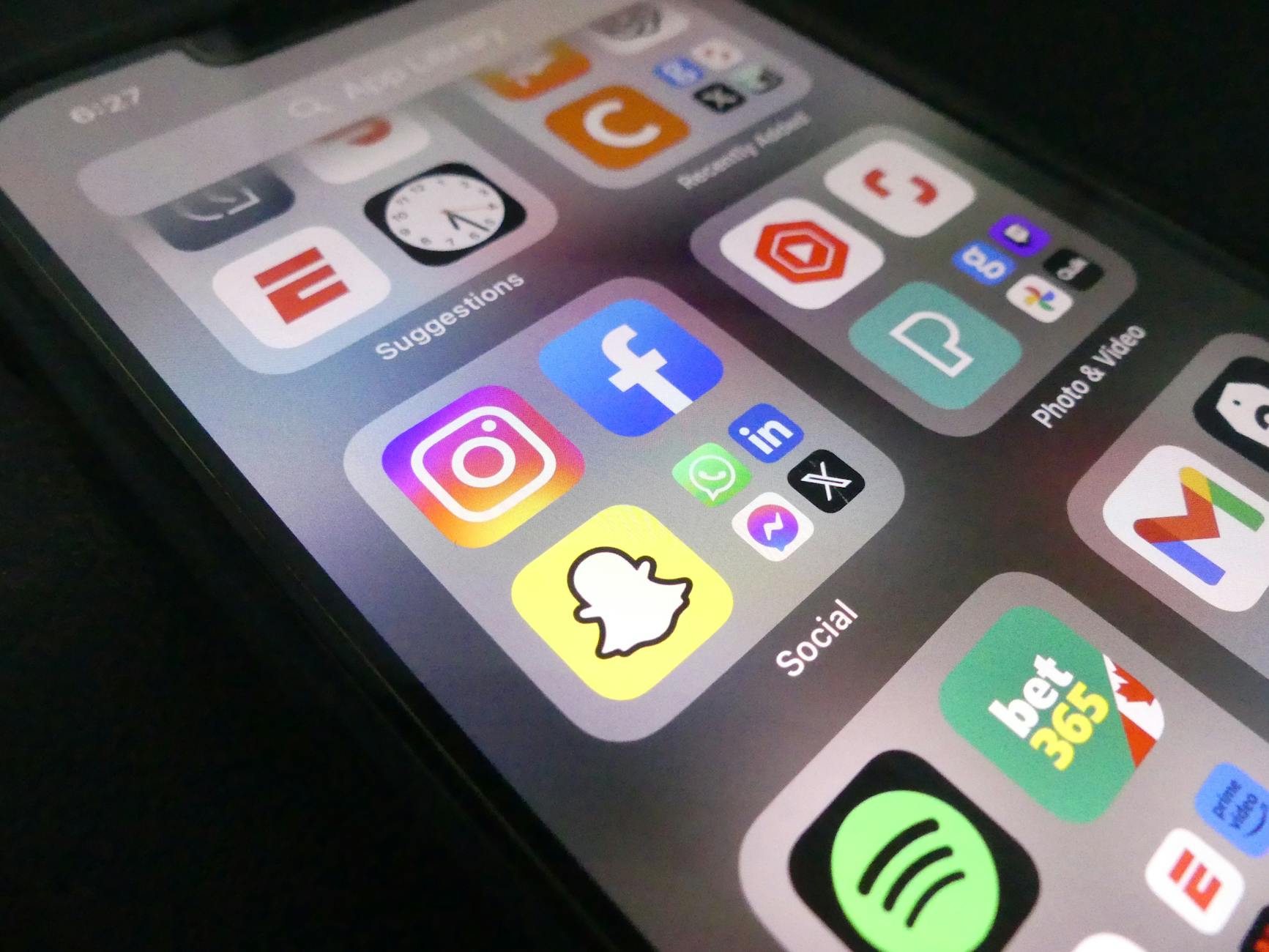
A social audit of their content strategy reinforces that positioning. On Instagram and TikTok, Spotify invests heavily in artist highlights and cultural moments. You see a consistent emphasis on:
- Conversational, shareable short-form storytelling
- Artist highlights and launches
- Cultural moments and trend participation
- Community celebration, particularly around Spotify Wrapped
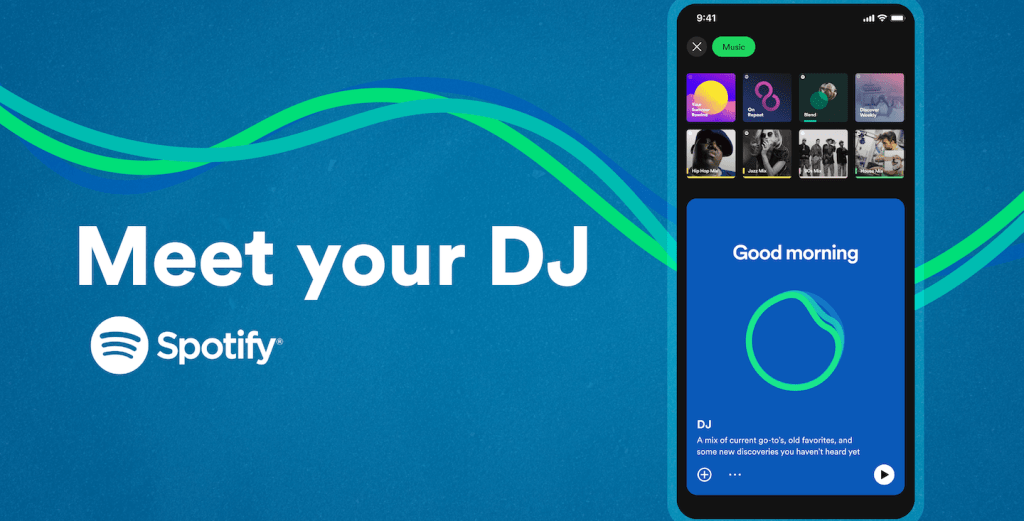
On X, they leans into real-time conversation around artists rather than product announcements. Product updates are present, but used sparingly – almost understated. That restraint mirrors the earnings narrative. Spotify doesn’t want to be perceived as a feature factory. It wants to be the R&D arm of the music industry, building agentic tools like iDJ and Prompted Playlists that deepen time spent and retention.
But there are gaps.
The social analysis reveals a subtle struggle: Spotify excels at cultural adjacency but underplays product storytelling relative to the ambition expressed in earnings. If the future is an “agentic media platform”, the audience needs to see and feel that evolution more consistently. Apple Music uses X for ecosystem reinforcement; Spotify could more aggressively claim thought leadership in AI-driven audio on social, not just on earnings calls.
Because ultimately, Spotify’s advantage isn’t just that culture happens there. It’s that participation happens there.
For senior leaders looking at this through a growth lens, the takeaway is this: the strongest digital strategies are coherent across audience intent, product design, and content expression. Spotify largely achieves that coherence. The next unlock isn’t more posting. It’s making user agency as visible as artist access.
The analysis ultimately revealed something reassuring. Spotify’s strategy is sound, rooted in scale, technology, and long-term thinking. They are leaders. But leadership in digital platforms is not static; it compounds. The next frontier isn’t more posts or more features. It’s clarity, making the invisible technology visible in a way that deepens emotional ownership.
For those of us in marketing and media, the takeaway is simple: cultural relevance drives growth, but technology sustains it. The brands that win will be the ones that make both feel inseparable.

 intentionally integrated
Leave a comment