
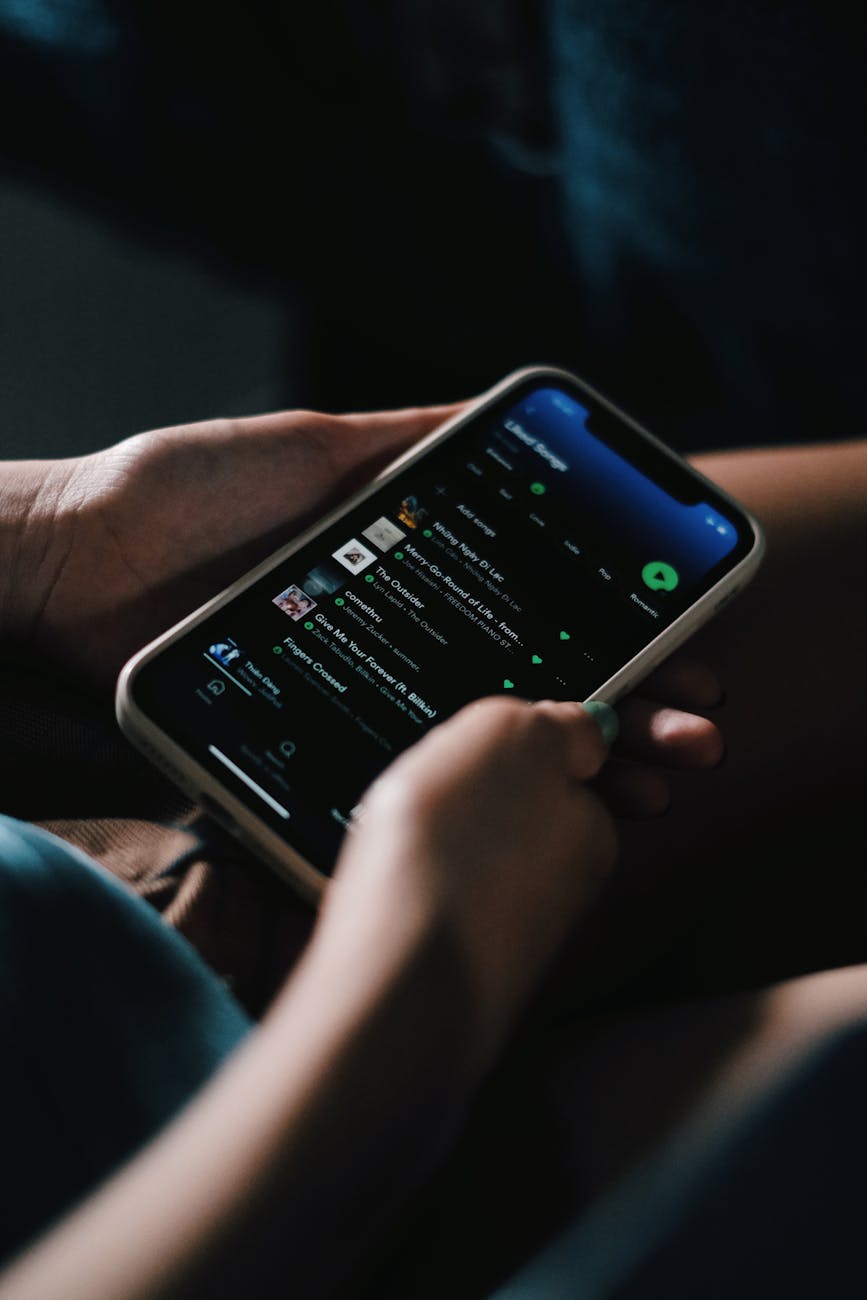
Digital marketing has fundamentally changed how brands exist in our lives. No longer confined to a single screen or a scheduled moment, it has become woven into the routines, habits, and emotions that shape our everyday behavior. The most effective digital brands today are not those that demand attention, but those that quietly earn a place in the background of daily life, showing up when relevant and receding when not.
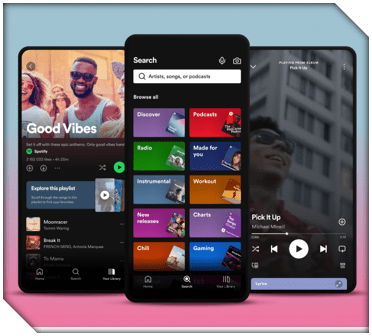
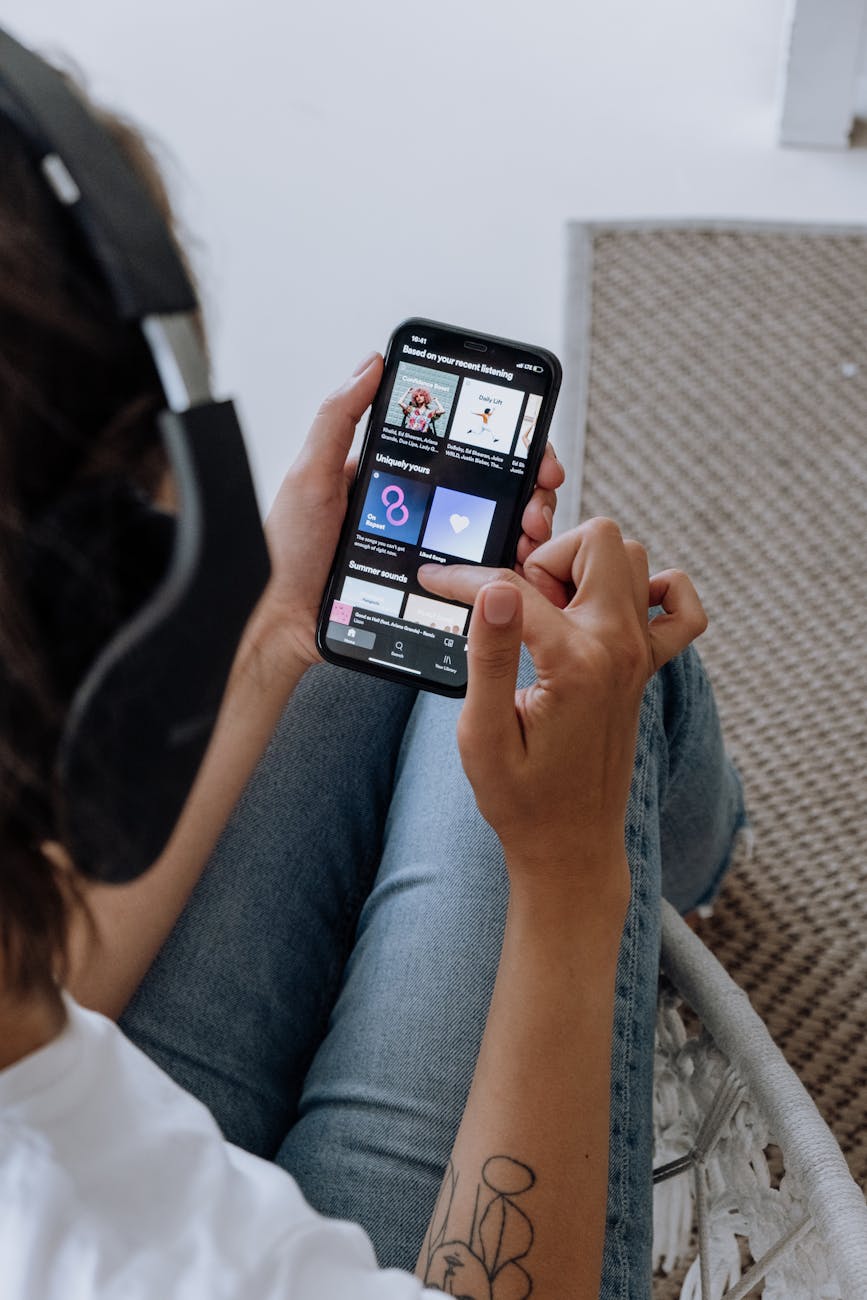
Spotify is a compelling example of this shift. As the world’s most popular audio streaming service, Spotify has built a digital ecosystem that feels less like an app and more like a companion. With millions of songs, thousands of podcasts, and availability across phones, computers, tablets, and connected devices, Spotify is designed to move with users throughout their day. Because content lives entirely within the app due to licensing, Spotify becomes the central hub for music discovery, organization, and listening.
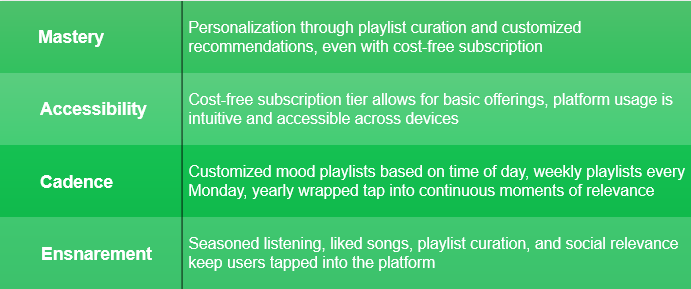
Looking at Spotify through the M.A.C.E. framework, honing in on the brand’s points of Mastery, Accessibility, Cadence, and Ensnarement, helps clarify how its digital strategy functions so effectively. From a Mastery standpoint, Spotify delivers an exceptional value exchange. Users receive personalized recommendations, curated playlists, and insights into their listening behavior in return for their data and attention. Features like Spotify Wrapped exemplify this dynamic, transforming passive listening into an annual moment of reflection and celebration. Wrapped doesn’t just summarize behavior; it expresses identity, reinforcing the perception that Spotify understands its users on a personal level.
Accessibility further strengthens this relationship. Spotify’s freemium model lowers the barrier to entry, while its intuitive interface and cross-device availability makes it easy to adopt and difficult to abandon. Whether a user is actively searching for a specific song or letting a playlist run in the background, the platform supports both intentional and effortless listening. This ease of use allows Spotify to fit naturally into a wide range of contexts without friction.
Spotify’s Cadence is equally intentional. Weekly playlist drops, time-of-day mood mixes, and seasonal collections establish predictable rhythms that users come to rely on. These updates don’t overwhelm but instead create quiet rituals that anchor Spotify in daily life. Ensnarement is seen through saved playlists, listening history, and personalized libraries that accumulate into a digital archive that holds emotional significance. All this makes Spotify hard to replace not because of obligation, but because of attachment.
That said, the M.A.C.E. analysis also reveals an opportunity for evolution. While Spotify excels at personalized discovery, there is room to further define listening through shared, “moment-based” music guidance. Holiday, seasonal, and mood-centric playlists address specific contexts, but extending beyond tentpole moments could strengthen Spotify’s role in emotionally connected experiences. Designing music guides around universal moments rather than individualized personalization, could enhance connectivity and reinforce Spotify’s position as a cultural companion (not just a recommendation engine).
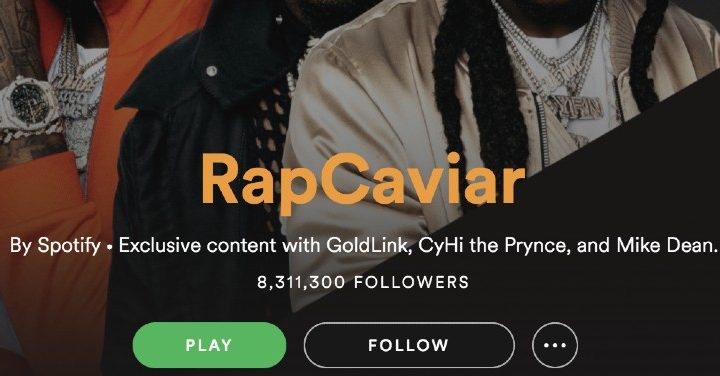
Spotify is beginning to dabble in “moment-based” music guidance through initiatives like the All-RapCaviar Live event during NBC’s All-Star Weekend. Spotify anchored one of its most culturally powerful franchises RapCaviar to a live, collective event where sport, hip-hop, and fandom intersected in real time. The activation reframed RapCaviar from a static playlist into a cultural waypoint, guiding audiences through a specific moment in sports. The social amplification that followed with artists, athletes, influencers, and fans sharing clips, behind-the-scenes footage, and branded content expanded Spotify’s reach far beyond the app while reinforcing its authority as the place where the cultural soundtrack is curated.
Ultimately, Spotify demonstrates how digital marketing succeeds when it aligns with real human behavior. By embedding itself into routines, emotions, and moments, Spotify shows that the most powerful digital strategies are not built on interruption, but on integration.

 intentionally integrated
Leave a comment